



Can Window Tint Help Protect a Car’s Leather Interior From Cracking?
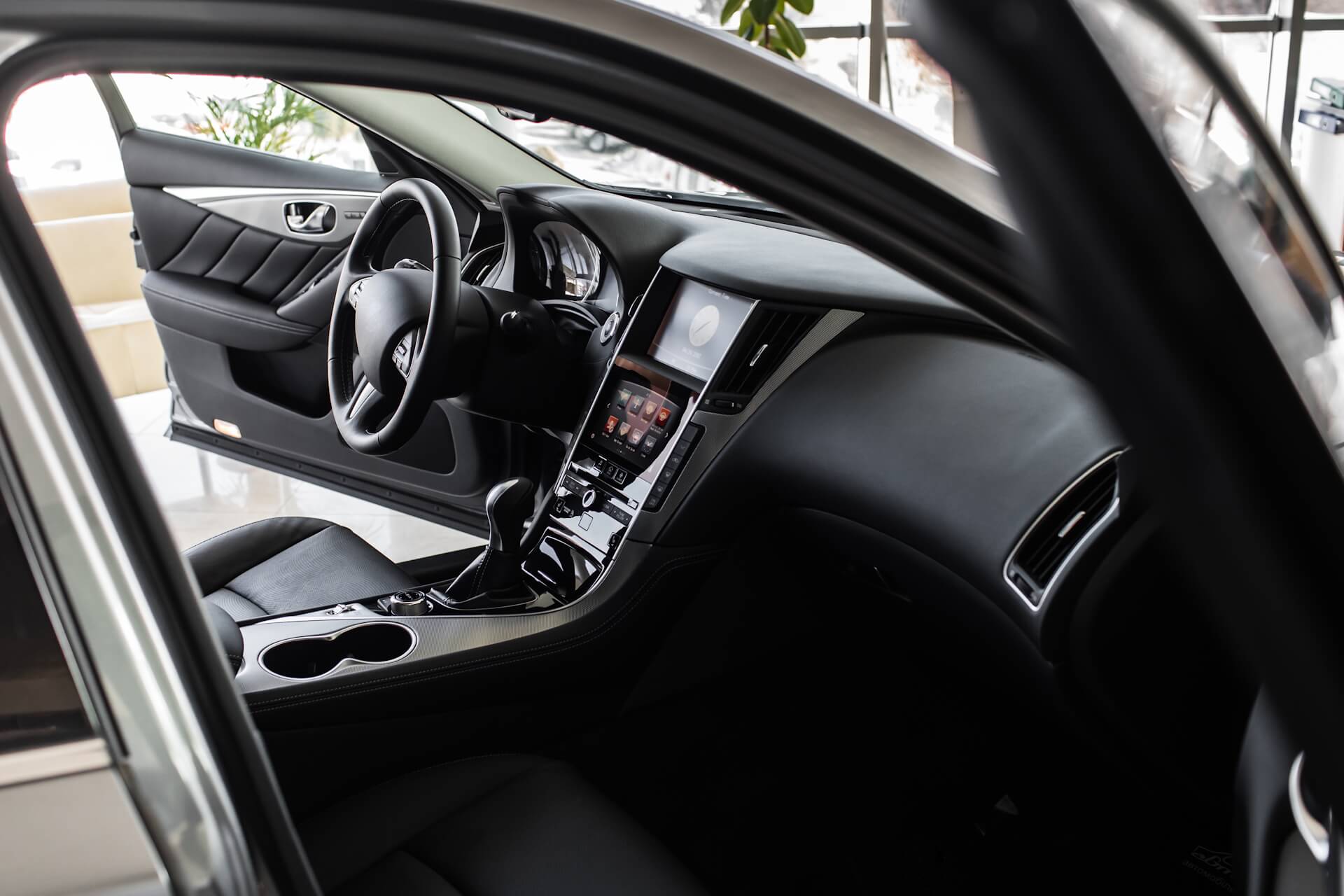
Leather vehicle interiors are undoubtedly superior. Spilled sodas, muddy dog paws, and sandy shoes are no match for an easy-care leather interior. Simply wipe them clean, and move on with your day. Vehicles with leather interiors also typically hold their value for longer, attracting higher prices on the second-hand market.
That said, it’s not all sunshine and rainbows when it comes to this interior material. If it has one nemesis, it’s cracking. Can window tint help protect a car’s leather interior from cracking? Why is it cracking in the first place? Keep reading to find out.
Why is the Leather in Vehicle Interiors Prone to Cracking?
Before determining whether professional automotive window tinting is a sound solution for preventing leather cracks, it’s important to know why it cracks in the first place. Understanding the causes can make it easier to put preventative measures in place.
UV Exposure and Heat
In intense sunshine, your vehicle’s interior can essentially become an oven. When left in the heat, the cabin can easily reach 150°F or higher. While it may not damage many vehicle materials, it can be particularly damaging to leather – and any chocolate bars you leave in there.
Both automotive and furniture leather have natural oils and moisture that keep it soft and pliable. In heat, those hydrators can quickly evaporate. As the leather dries out, it stiffens and shrinks. When the now-stiffened leather is flexed, like when you sit back on the seat, the weight can cause micro-cracks, which eventually turn into visible splits.
The same devastating damage can happen with ultraviolet (UV) radiation. UV rays penetrate glass and degrade the fibers and dyes in the leather that give it color and strength. It also damages the protective factory finish applied on top. Eventually, the hide is exposed to the elements and begins to dry out and fade.
Moisture and Oil Loss
Sunshine isn’t the only thing that can cause leather to crack. Fats and moisture evaporate from leather over time. Without any internal lubricants, the fibers rub against each other, causing cracking.
Friction and Wear
High-contact areas like seats and steering wheels are regularly rubbed by your clothing and hands. Eventually, that movement can cause physical damage that even routine cleaning can’t prevent.
Low-Quality Leather
Not all leather is made equal. High-grade, full-grain, and top-grain leather stays in much better condition longer than bonded or split-grain leather, or synthetic pleather.
How to Protect a Car’s Leather Interior from Cracking
As a proud vehicle owner, you want your garage queen to stay in excellent condition for as long as possible. Fortunately, that can be possible with three actions:
1. Invest in Automotive Window Tint
Window film doesn’t just look cool; it can also help keep your leather interior in excellent condition longer. It does this by blocking harmful UV rays and reducing infrared heat buildup inside your vehicle.
Quality window films, such as LLumar, block up to 99% of harmful UV rays. As we know, UV rays break down the structure of leather, causing it to weaken, dry out, and split or crack over time.
Window films also reduce heat and thermal stress. Ceramic films, in particular, use non-metallic, nano-ceramic particles to block and absorb up to 99% of infrared radiation. Then there’s its ability to preserve natural moisture. Because window tint can help keep your vehicle interior cooler, it stops high heat from drawing moisture and oils out of your leather.
2. Vacuum and Clean Regularly
While window tinting is an excellent way to significantly reduce the likelihood of leather cracking, it’s not the only card you’ve got to play. Regular vacuuming and cleaning are also helpful.
Remove grit by vacuuming your seats with a soft-bristle brush attachment. You can also get into the habit of cleaning your seats every few months with a dedicated pH-balanced leather cleaner. If you live somewhere warm, like Fort Smith, Arkansas, consider applying it monthly!
3. Condition and Moisturize
Sometimes, leather needs a little help to stay soft and flexible. Restore its natural oils with quality leather conditioning products at least once a year. Massage it into the leather’s pores and let it cure before using it. You can also use dedicated leather care balms that essentially work as a shield against friction and spills.
Best Window Tint to Protect Car Leather Interior
You now know that car window tint is an excellent way to protect leather in your vehicle’s interior. However, with so many options on the market, which product should you choose?
Of all options, including ceramic tint, carbon tint, metalized tint, and dyed tint, ceramic tint is the film most automotive window tinting experts recommend.
- Infrared rejection: While many traditional window tints simply darken the glass, ceramic tints target and filter out thermal infrared energy, stopping it from entering your cabin and heating it up.
- High total solar energy rejection (TSER): Out of all window films, ceramic tint rejects more visible light, UV rays, and infrared heat.
- UV protection: Up to 99% of harmful UV rays are stopped from heating your vehicle’s cabin, reducing the risk of damage to leather seats, dashboards, and trim.
- Clear options: You don’t have to darken your glass if you don’t want to. Light ceramic films can also reject heat.
Protect Your Car’s Leather Interior with Help from Solar Shield in Fort Smith, Arkansas
If you want to keep your vehicle’s leather interior soft, supple, and in excellent condition for as long as possible, talk to the experienced window tinting team at Solar Shield in Fort Smith, Arkansas.
Our LLumar window films prevent leather cracking by blocking up to 99% of harmful UV rays and reducing cabin heat. Need more information or ready to install? Schedule your window tint service today!