


The Tesla Owner’s Guide to Surviving Harsh Winter Glare
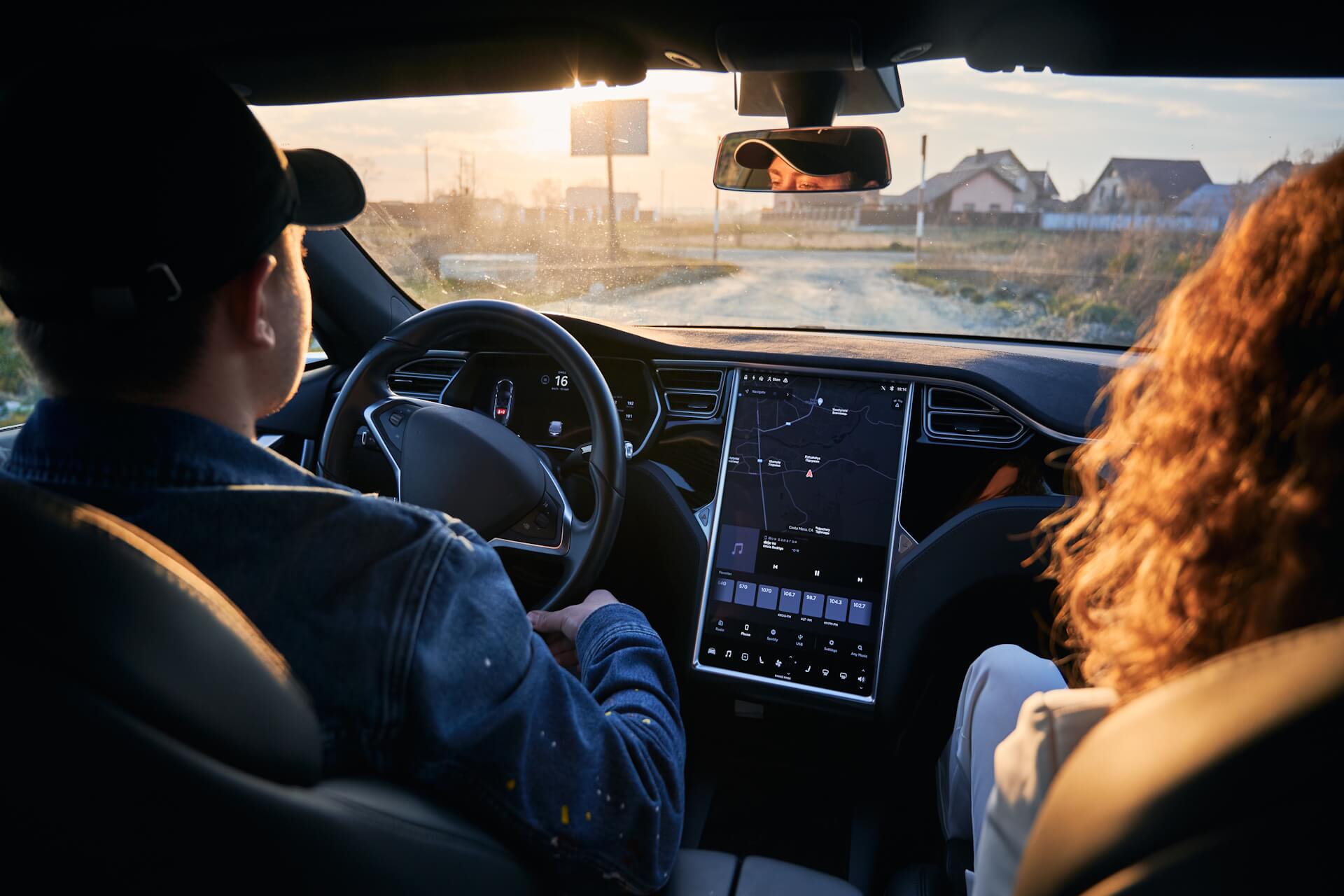
Teslas differ from other vehicles in several positive ways, including integrated technology and software, instant torque and smooth acceleration from their electric motors, and consistently high safety ratings. However, if there’s one thing that annoys even the most dedicated Tesla fan, it’s window glare.
In this guide, you’ll learn why winter window glare is such a frustrating issue in Teslas and how you can make it a problem of the past.
Why Winter Glare Feels Worse in a Tesla
Drive your Tesla, then hop into a Toyota, and you may notice a difference in how the winter glare affects you.
Low Sun Angles Hit the Cabin Directly
As most people know, the sun always stays much lower on the horizon in winter. That means the early-morning and late-afternoon sun passes straight through the windshield rather than from above.
The low angle of the light can be blinding, which is not only uncomfortable but also dangerous when traffic is at its heaviest.
Panoramic Glass + Large Windshield = More Light
So, why do you experience uncomfortable window glare more intensely in a Tesla, compared to other brands? Teslas have large windshields and panoramic glass roofs. These large, fixed roofs offer an expansive view.
While the view from these large windshields and roofs is incredible, the cabin is also extremely light and bright. This can be problematic in winter, when the sun is low and intense.
The Most Common Tesla Glare Complaints
When it comes to glare, Tesla owners have more reason than most to be unhappy. These are the most common complaints:
Eye Strain + Reduced Visibility
Squinting into bright sunlight for extended periods during early-morning and evening commutes is no fun for anyone. It’s not uncommon to experience eye strain, headaches, and reduced visibility.
Screen Glare on the Center Display
Tesla drivers love the large center touchscreen and how it enhances their driving experience. However, bright light sources, such as the sun, reflect off its glossy surface, causing uncomfortable glare.
Fortunately, there are many easy fixes, like glare reducing window film in the form of LLumar window tint, as well as adjusting the screen position, utilizing dark or night mode, and installing an anti-glare screen protector.
Cabin Brightness That Gets Old Fast
As previously mentioned, the cabin’s brightness from the large windshield and glass roof is a common complaint among Tesla drivers. While the brightness can feel airy and comfortable in summer, it can be overwhelming in winter when the sun reflects off the dashboard, windshield, and surrounding snowy landscapes.
How Window Tint Fixes the Problem
When troubleshooting window glare issues in Teslas, you’ll come across glare reducing window film or window tint as one of the most effective solutions.
Cuts Harsh Light Without Ruining the Tesla Look
LLumar window tint and other brands’ window film cut harsh light without ruining that all-too-popular Tesla look. The tint filters out excessive light while avoiding making the cabin too dark.
Improves Driving Comfort + Visual Clarity
When you’re not having to squint and strain your eyes to see, your eyes can remain focused and relaxed while driving. The window tint provides greater visibility, improved contrast, and a more comfortable driving experience overall.
Adds Privacy + Helps Protect the Interior
There’s more to glare reducing window film than simply reducing glare and preventing eye strain. Window tint also helps protect your Tesla’s interior from damaging UV rays and enhances privacy by making it harder for people to see inside as they walk or drive past.
Choosing the Right Tint for Your Tesla
Are you ready to invest in glare reducing window film? Here’s how to choose the right tint for your Tesla:
Why Ceramic Tint Is a Popular Choice
There are many window tint options on the market, including dyed film, ceramic, nano-ceramic, metalized, and hybrid (dyed/metalized) layers. It’s easy to be overwhelmed by the choices, but ceramic tint is among the most popular.
It boasts several advantages, including:
- Reducing glare
- Not heavily darkening a Tesla cabin
- Blocking UV/infrared rays
- Not interfering with sensors and electronics
- Boasting a premium, factory-style appearance
Stay Legal: Arkansas Tint Limits
You can’t just install the first window tint product you see and be confident that it’s legal. Arkansas has specific laws governing the types of window tint film you can legally install on your vehicle windows.
As of 2025, tint darkness laws for sedans are as follows:
- Non-reflective window tint allowed on the top five inches of the windshield
- Front side and back side windows must let in more than 25% of light
- Rear windows must let in more than 10% of light
Vans and SUVs follow the same window film rules, except that the back side windows must allow more than 10% of light in.
Pro Install vs. DIY (Why It Matters on Teslas)
Anyone can read the instructions on window film and attempt to install it themselves. However, that doesn’t mean they should. Professional window film installation on a Tesla is crucial for these reasons:
- Teslas have sensitive electronics
- Teslas have complicated glass shapes and large panels
- Ensure compliance with local tint laws
- Ensure protection of cameras and sensors
- Provide clean edges
- Avoid bubbling and peeling
- Provide exceptional coverage on curved glass
Schedule LLumar Window Tint with Solar Shield in Fort Smith, Arkansas
If your Tesla is your pride and joy, but winter window glare has you struggling to drive comfortably, you’re in the right place. Schedule LLumar window tint with Solar Shield in Fort Smith, Arkansas, today.
Our experienced window tint installers will help you enhance your driving experience by installing premium window tint to improve visibility, reduce eye strain, and enhance cabin comfort.
Schedule your Tesla window tint service today! We look forward to elevating your driving experience.