



Can Window Tint Protect Hardwood Floors and Furniture from Fading?
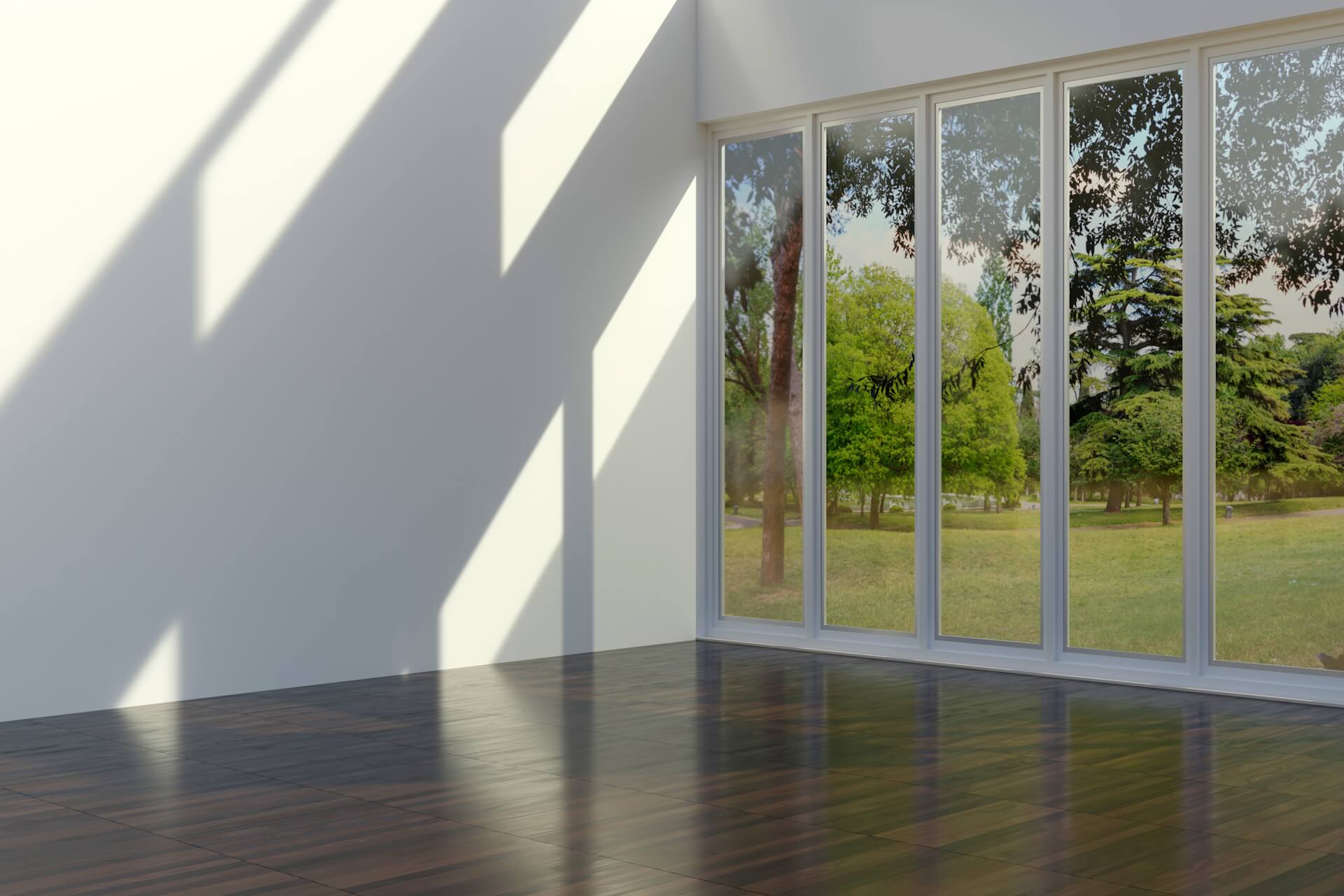
As wonderful and warming as the sunshine is as it beams through the windows of your home or business, it’s hard not to be disheartened by the toll it takes on your flooring and furniture. Once-pristine hardwood flooring, furniture, and artwork can quickly become faded versions of their former selves.
But what if it were possible to limit the damage while still enjoying the sunshine? That’s where window tint comes in. It’s entirely possible to protect hardwood floors, furniture, rugs, artwork, and other possessions with high-quality window tint from a trusted company. Here’s what you need to know before the installers arrive:
It’s Not Just UV Rays That Fade Wooden Floors and Furniture
We all know that UV rays are harmful. Unprotected exposure penetrates our skin and eyes, damaging cellular DNA and causing sunburn, premature aging, and eye diseases such as cataracts. UV rays are even the leading cause of skin cancers. So, you can just imagine what they’re also doing to our floors and home furnishings.
Yet UV rays that break down the chemical bonds in dyes and finishes only make up around 40% of the damage. There are other factors in floor and furniture fading:
- The bright light you can see – visible light (25%)
- Heat and infrared light (25%), with solar heat drying out wood and upholstery, accelerating deterioration
- Wear and tear
- Indoor pollutants
- Humidity
Quality Window Films Limit the Damage
There’s no need to keep refreshing your floors and furnishings each time they succumb to the elements. Quality window films can help limit the damage. When installed by trusted professionals, they protect your furniture and hardwood floors in several ways:
- Blocking UV rays: UV radiation accounts for about 40% of sun fading. Window tint becomes a barrier that prevents the UV rays from degrading the pigments in your hardwood flooring and the dyes in your fabrics and/or leather.
- Regulating heat and infrared light: If you’ve noticed that your wooden flooring and furniture are splitting, warping, or becoming loose in the joints, excessive heat and infrared light could be to blame. Fortunately, window tint rejects solar heat, allowing for more consistent indoor temperatures that are less likely to cause such problems.
- Reducing visible light and glare: Visible light accounts for around 25% of fading. Window tint cuts down the harsh, visible glare that contributes to fading without making your rooms uncomfortably dark.
- Preventing discoloration: When buying wooden furniture or investing in hardwood flooring, you likely do extensive research to ensure you choose the right wood in the right shade. So, it’s often disheartening when the sun bleaches it, causing a yellowing effect. Quality solar control window films can help prevent this.
Which Window Tint is Best to Prevent Fading?
With so many window film options on the market, it’s hard to know where to start. When your goal is to limit fading to your prized flooring and furniture, but you also want to elevate your home’s appearance and enhance safety, discuss the following options with your local window film installer:
Home Solar Window Tint
Home solar window film is an excellent option for property owners who love a sun-drenched home but don’t want the damage and deterioration that come with it! Home solar window tint offers the following advantages:
- Reflect heat
- Help reduce fading
- Help save energy
- Help reduce glare
- Block UV rays
- Increase indoor comfort
Home Decorative Window Tint
Window films are more than just a practical solution for preventing sun fade. By installing home decorative window tint, you may enjoy these benefits:
- Elevated interior design
- More privacy
- Hiding unsightly views
- Mimic specialty glass
- Diffuse harsh light
- Make updates easy
Home Safety Window Tint
When you care about your home’s safety just as much as your comfort, inquire about home safety window tint. There are many standout benefits associated with this form of window film, including:
- Help deter theft
- Improve shatter resistance
- Lessen accidental damage
- Help protect from windborne debris
- Reflect heat
- Block UV rays
How Professionals Install Window Film
Installing window film on residential and commercial windows is a straightforward, five-step process for industry professionals.
- Prepare and clean the window: Spray the window with a prepared solution and remove dirt and grime. Use a squeegee to wipe it clean.
- Measure and cut the window film: Measure the window’s dimensions and leave extra material around the edges.
- Apply the film: Spray the inside of the window with a soapy solution to help the film slide easily. Peel the clear liner off the tint, then spray the exposed adhesive side with water to prevent it from sticking. Place the film onto the glass and into position, with a slight gap at the top edge.
- Squeegee and trim: Spray the film’s exterior so the squeegee glides over it. Firmly squeegee out all the water and air bubbles from beneath the film. Then, follow up this process with a hard card to push out trapped liquid. Trim away excess film.
- Cure the film: Let the film adhere and cure to the window.
Other Ways to Prevent Fading
Window film is among the most effective ways to protect your wooden furniture and flooring from fading. However, for the best long-term protection, combine window tint with:
- Closing your curtains or blinds during peak sunlight hours
- Applying UV-resistant finishes on your hardwood flooring
- Periodically rotating furniture and rugs
- Not hanging or placing valuable artwork in direct sunlight
Schedule Residential Window Tinting with Solar Shield
If you’re tired of the fierce Arkansas sunshine fading and damaging your home’s interior, it’s time to take action. Talk to the experienced window tinting specialists at Solar Shield in Fort Smith about residential window tinting.
Our knowledgeable team can discuss the most appropriate options to dramatically slow fading and preserve the appearance and value of your home’s interior for longer.
Contact us today to learn more.