



Why More Drivers Are Upgrading to Ceramic Window Tint
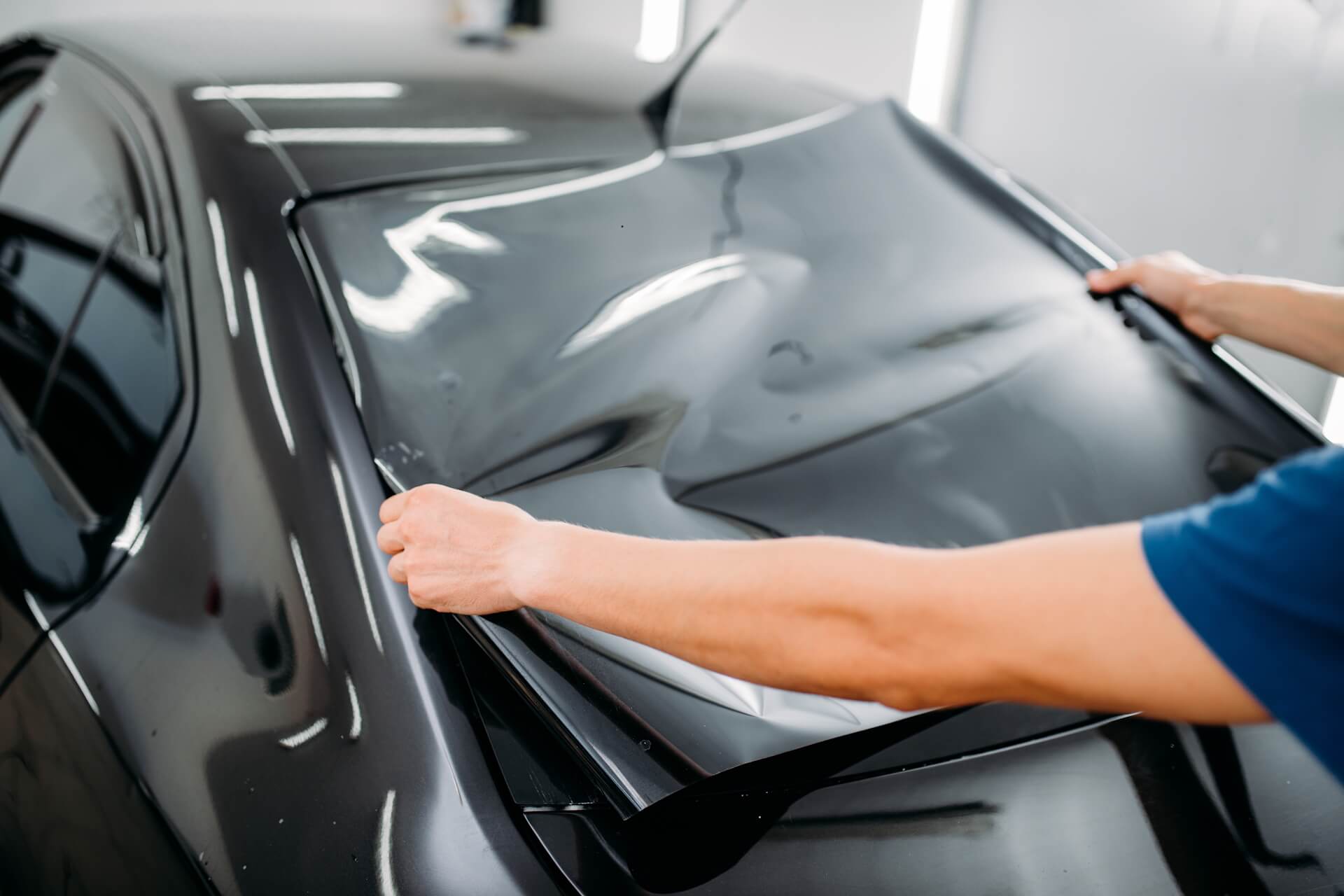
Drivers are spoiled for choice when it comes to window tinting options. Carbon tint delivers a sleek, matte finish, while dyed tint is budget-friendly. Metallic/reflective tint also reflects solar heat well. However, if there’s a ‘gold standard’ in this line of automotive customization, ceramic window tint is it.
Ceramic window tint is an automotive and architectural film infused with microscopic ceramic nanoparticles. It’s overtaking traditional dyed and metallic films for the following reasons:
Better Heat Rejection
Whether you’re navigating the warm summer temperatures of Arkansas or another state, you’ll know how uncomfortable driving can become with intense heat inside the cabin. There comes a point when you feel as though you’re relying on your air conditioning far too much!
That’s where ceramic window tint makes a considerable difference. It blocks most of the infrared radiation entering your windows, reducing heat and improving your summer comfort. While standard dyed tint products darken your windows, they don’t significantly reduce the amount of heat entering through them.
Protection from UV Rays
Ceramic window tint delivers valuable protection from UV rays. Most quality tints block up to 99% of harmful UV rays, helping to protect your skin from sun exposure.
However, it’s not just your skin that benefits. By blocking those rays, the ceramic tint can also prevent your dashboards and upholstery from fading, and any leather materials from cracking.
How, you ask? Ceramic window tints use advanced nanotechnology. Microscopic ceramic particles combined with specialized UV inhibitors reflect and absorb the majority of UVA and UVB radiation before it passes through the glass.
No Signal Interference
While metallic window tint film is considered a budget-friendly option, it’s far from practical in technologically advanced vehicles. The metalized components of the tint can interfere with cell reception, Bluetooth, GPS, and even toll transponders. Fortunately, ceramic tint is non-metallic, so it avoids these issues for frustration-free driving.
Glare Reduction for Improved Visibility
Dealing with glare while you’re driving can be frustrating. You can be navigating uncomfortable eye strain while worrying about maintaining a clear line of sight. It can seem as though the only way to fight glare is to put on the darkest pair of sunglasses you own and invest in the darkest shade of window tint.
However, glare doesn’t just happen during the day; it can also affect you at night with street lights and the bright headlights of other drivers. As a result, wearing sunglasses and having the darkest window tint available is impractical!
Fortunately, ceramic window tint is the solution in this situation as well. The microscopic, non-conductive nanoceramic particles in the film act like a filter, absorbing, refracting, and diffusing harsh light. As a result, they can dull down the blinding brightness of lights without heavily darkening your view.
Longer Lifespan
With traditional window tint products often featuring outdated technology, it can feel as though you’ve only just paid for its installation and need to replace it again! Dyed tint, for example, can start to fade, bubble, and even turn purple due to UV exposure in just a few years.
High-quality ceramic auto window tint installed by trusted professionals is much different. It’s not uncommon for it to last 10 to 15 years, and sometimes even the life of the vehicle. This is because ceramic films use non-dye, non-metallic particles that don’t fade, bubble, peel, or create signal interference.
Superior Appearance
Many vehicle owners don’t like traditional metallic window tint films because they have an overly reflective appearance. The faded purple color of simple dyed films is also not particularly pleasing to the eye. That’s why ceramic window tint has found favor with many drivers. It delivers a clean, modern look without being overly reflective.
How to Choose the Right Ceramic Window Tint for Your Vehicle
Ready to install window film, but aren’t sure which product is right for your vehicle and driving habits? Take note of these factors to consider:
- Visible light transmission (VLT): The amount of light that passes through the ceramic window film. The lower the percentage, the darker the tint. Brush up on Arkansas window tinting laws to understand the right VLT percentages for your vehicle.
- Infrared rejection (IRR): Ceramic window films use non-conductive nanoparticles to block infrared light, which is responsible for heat. The higher the IRR rating, the more effectively the film can perform this task. Choose a film boasting 90% IR rejection or higher.
- UV protection: Most quality ceramic tints protect your skin and vehicle interior from UV rays, but some are more efficient than others. Look for a film that blocks at least 99% of UVA and UVB rays.
Schedule Ceramic Window Tint Services with Solar Shield in Fort Smith, Arkansas
It’s time to elevate your vehicle’s aesthetic and your driving experience. Schedule ceramic window tint services with the experienced team at Solar Shield in Fort Smith, Arkansas, today! Our knowledgeable installers look forward to discussing the many standout benefits of ceramic window tint for vehicles and architecture with you!